African Technologists Raise Alarm as Ebola Worsens and DR Congo's President Heads to the UN
July 18, 2026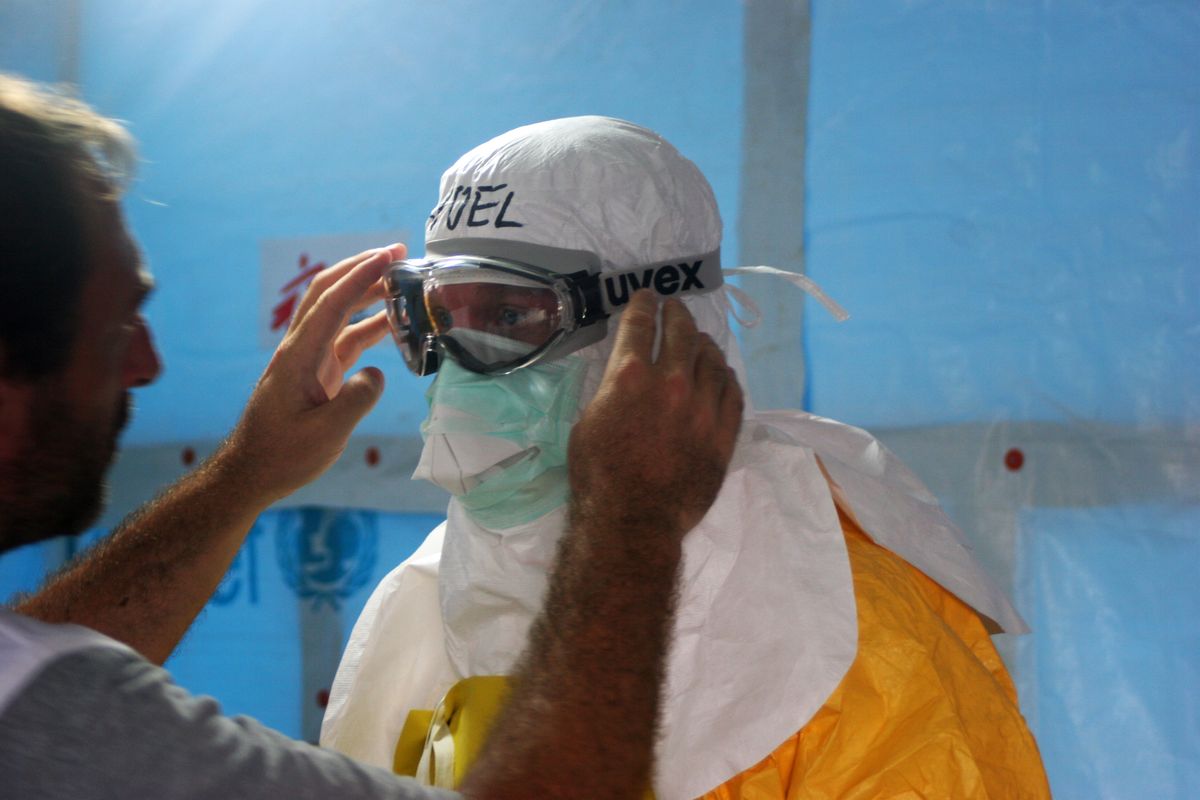
As the Democratic Republic of the Congo assumes the presidency of the United Nations Security Council and President Félix-Antoine Tshisekedi Tshilombo addresses the international community, the Africa Emergency Technology Response Forum (AETRF) calls for urgent international solidarity and strengthened national leadership in response to the rapidly worsening Ebola outbreak.
The outbreak, initially concentrated in Ituri Province, has continued to expand, placing communities, health workers and already fragile health systems under extraordinary pressure. AETRF recognizes the efforts of the Government of the DRC, national health institutions, frontline responders, local organizations and international partners working under extremely difficult conditions.
However, reports from communities and responders on the ground indicate that significant operational challenges remain. Drawing on recommendations from the Basandja Coalition of indigenous people and local communities, and consultations with health and technology professionals in Ituri, AETRF respectfully calls for the following actions:
- Strengthen strategic coordination of the response. The rapid expansion of the outbreak requires a clear, responsive and accountable chain of command, supported by reliable information and timely decision-making at national, provincial and local levels.
- Build on the DRC's experience from previous Ebola responses. The DRC has considerable institutional knowledge and internationally recognized expertise in managing Ebola. Experienced Congolese professionals and teams from previous responses should be fully engaged to preserve continuity, strengthen local leadership and avoid the loss of hard-earned lessons.
- Protect frontline health workers. Urgent measures are needed to strengthen infection prevention and control, ensure adequate supplies of personal protective equipment and provide safe working conditions for health personnel and community responders.
- Ensure the timely payment of response personnel. Delays in paying frontline workers weaken morale, disrupt operations and undermine trust. Transparent and reliable systems must be established to ensure that all personnel are paid promptly and regularly.
- Strengthen governance, transparency and accountability. Clear reporting on resources, responsibilities and response outcomes is essential. An independent operational assessment of the response would help identify gaps and enable timely corrective action.
- Place communities at the centre of the response. Community trust is fundamental to effective surveillance, contact tracing, safe and dignified burials, treatment and prevention. Local civil-society organizations, community leaders, survivors and relais communautaires must be treated as essential partners—not simply as recipients of information.
- Mobilize urgent and sustained international support. The DRC cannot confront an emergency of this magnitude alone. AETRF urges the United Nations, African Union, Africa CDC, international health institutions, donors and technology partners to provide the financial, technical and logistical support required, while respecting Congolese leadership and community priorities.
How AETRF Can Support
AETRF is an African-led network of technology professionals on the continent and in the diaspora committed to supporting public-health emergency responses. We stepped up to provide vital solutions implemented in the 2014 West Africa Ebola crisis, many of which remain in use today. Crisis is an opportunity to build resilient community centred responses.
Working with the Basandja Coalition, health professionals and local technology teams, AETRF is positioned to support the response through:
- Conducting requirements assessments with Ebola treatment centres and frontline teams;
- Supporting the improvement of locally developed digital response tools;
- Strengthening contact-tracing systems and reducing dependence on fragmented paper-based processes;
- Supporting appropriate integration with national health-information systems, including DHIS2;
- Improving data collection, analysis, reporting and operational visibility;
- Mobilizing African and diaspora technologists to provide technical assistance;
- Strengthening coordination between health workers, community responders, civil society and technology teams;
- Promoting secure, ethical and community-centred approaches to health data.
Technology alone will not end this outbreak. It must be guided by public-health expertise, community trust, responsible leadership and the realities faced by responders on the ground. AETRF therefore stands ready to work under the leadership of the relevant Congolese institutions and in coordination with local and international partners.
President Tshisekedi's engagement at the United Nations offers an important opportunity to mobilize the world. It must also reinforce a national commitment to transparent coordination, protection of frontline workers, community leadership and the effective use of Congolese expertise.
The DRC has confronted and overcome Ebola outbreaks before. With urgent action, accountable leadership and genuine international solidarity, it can do so again.